

In the world of product development, it is tempting to jump straight into building solutions, especially when deadlines loom and resources are tight. Yet, as recent industry missteps have shown, skipping the discovery phase can lead to wasted effort, lost loyalty, and solutions that simply do not meet user needs. The real value lies in understanding users deeply before a single line of code is written or time is spent on design iterations.
The cost of assumptions: When solutions miss the mark
Organizations often make decisions based on assumptions, whether to cut costs, stay relevant, or avoid technical debt. The streaming industry’s “great streaming wars” offer a cautionary tale. Companies believed that content alone would drive loyalty, but the reality is different. Many viewers feel overwhelmed by too many services, and a significant number are willing to cancel subscriptions as soon as they complete their desired content. When businesses overlook what users truly want, customers find alternatives, whether that means sharing passwords or abandoning the service altogether. Other industries, from grocery stores to airlines, have faced similar pitfalls by failing to design real user behavior in mind.
Why user discovery matters: Trust, loyalty, and real-world impact
The consequences of skipping discovery go beyond lost revenue. When users feel unheard or encounter poorly designed experiences, they leave – often without providing feedback. Poor design is a leading factor for rejecting a solution, and most users will not even tell you what is wrong before moving on. Negative experiences travel quickly by word of mouth, and it’s much more difficult to build back trust once it’s already lost. In a mobile-first world, expectations are higher than ever – if a site does not load in two seconds, nearly half of users will abandon it. Even in specialized fields like healthcare, user experience shapes critical decisions, influencing where clinicians choose to work and how they deliver care.
Discovery in action: Walking in the clinician’s shoes
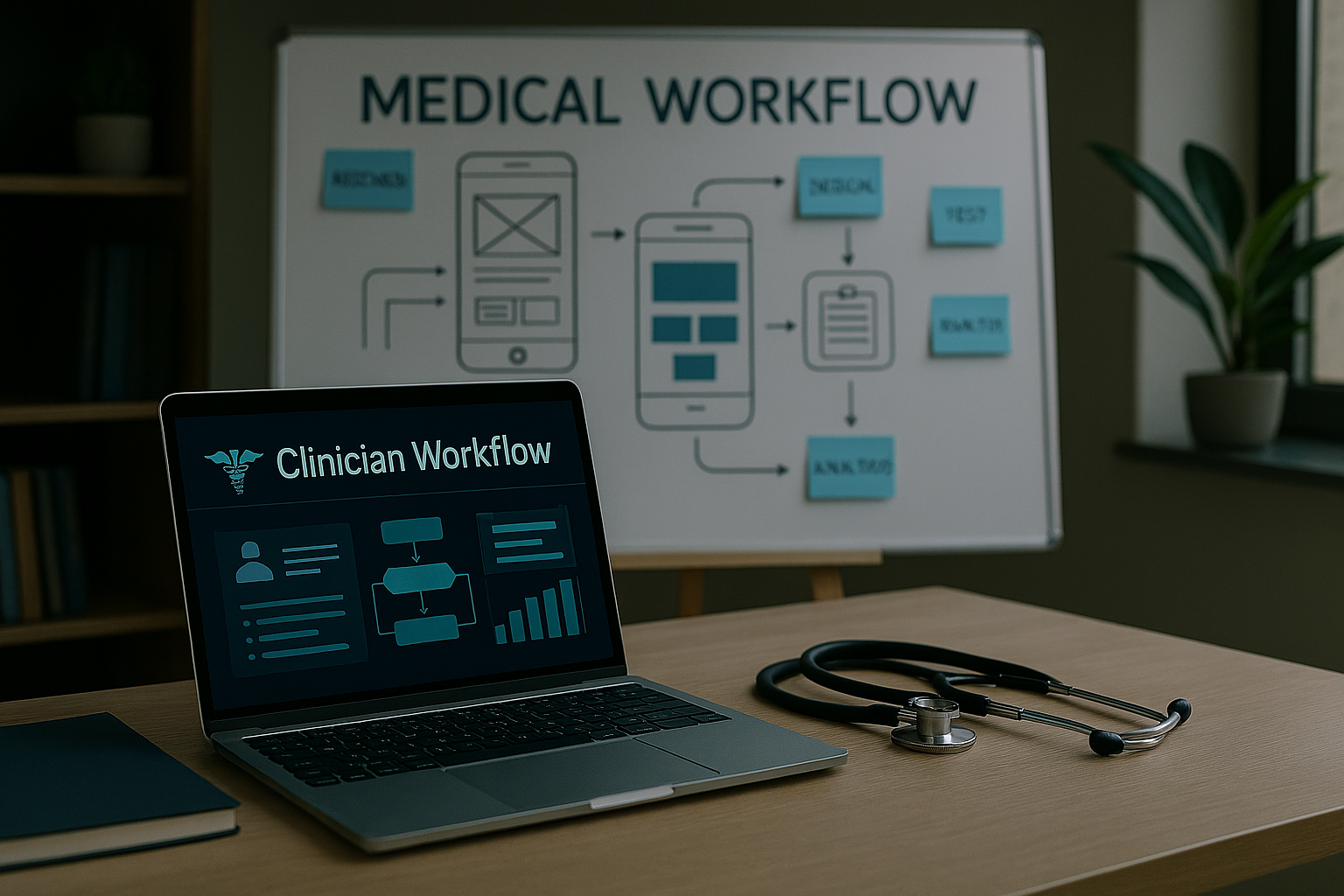
Our approach to building WellSky Scribe ambient listening and transcription technology was rooted in genuine discovery. We combined ride-alongs, interviews, and direct observation to understand clinicians’ actual workflows. By traveling to diverse settings – from urban to rural – we uncovered realities that conversations and agency-desired best practices often overlook. For example, while a clinician might claim to use a tablet for documentation, in practice, they might reach for their phone because it loads faster or offers better connectivity. Observing daily routines revealed hidden pain points, such as unreliable cell service in rural areas, which forced many to revert to pen and paper. These insights highlighted the importance of supporting offline functionality, not as a luxury, but as a necessity.
Designing for complexity: Flexibility and empathy
One of the most striking lessons from our discovery work was the diversity of clinician workflows. Some prefer to chart in the home, others after hours. Device preferences range from laptops to tablets to phones. Environmental factors, from cramped living spaces to long drive times, further complicate the picture. We learned that not everything is said out loud. Often, nurses make silent assessments that are critical to care but may never be voiced in front of patients. Our solution needed to accommodate these nuances, offering flexibility and control without forcing a one-size-fits-all approach.
Conclusion: Building with users, not just for them
Discovery is not a one-time phase – it’s an ongoing strategy that should involve the entire team. By investing in discovery, we move beyond assumptions and build the right solutions the first time. Real-world insights replace guesswork, and our team becomes not just software builders, but problem solvers. Most importantly, we earn the trust of our users by listening deeply and responding to their needs. Building with users, rather than just for them, is the key to creating solutions that are both effective and trusted.
