

Embracing the AI mindset
The pace of change in artificial intelligence (AI) is relentless. Each week brings new breakthroughs, and those who work in technology are witnessing a transformation unlike any seen in decades. The message is clear: if AI hasn’t significantly changed daily work yet, the surface has only been scratched, and vast opportunities remain untapped.
As we witness AI’s evolution, the question becomes: how do we harness this inevitable disruption? The answer starts with a mindset shift.
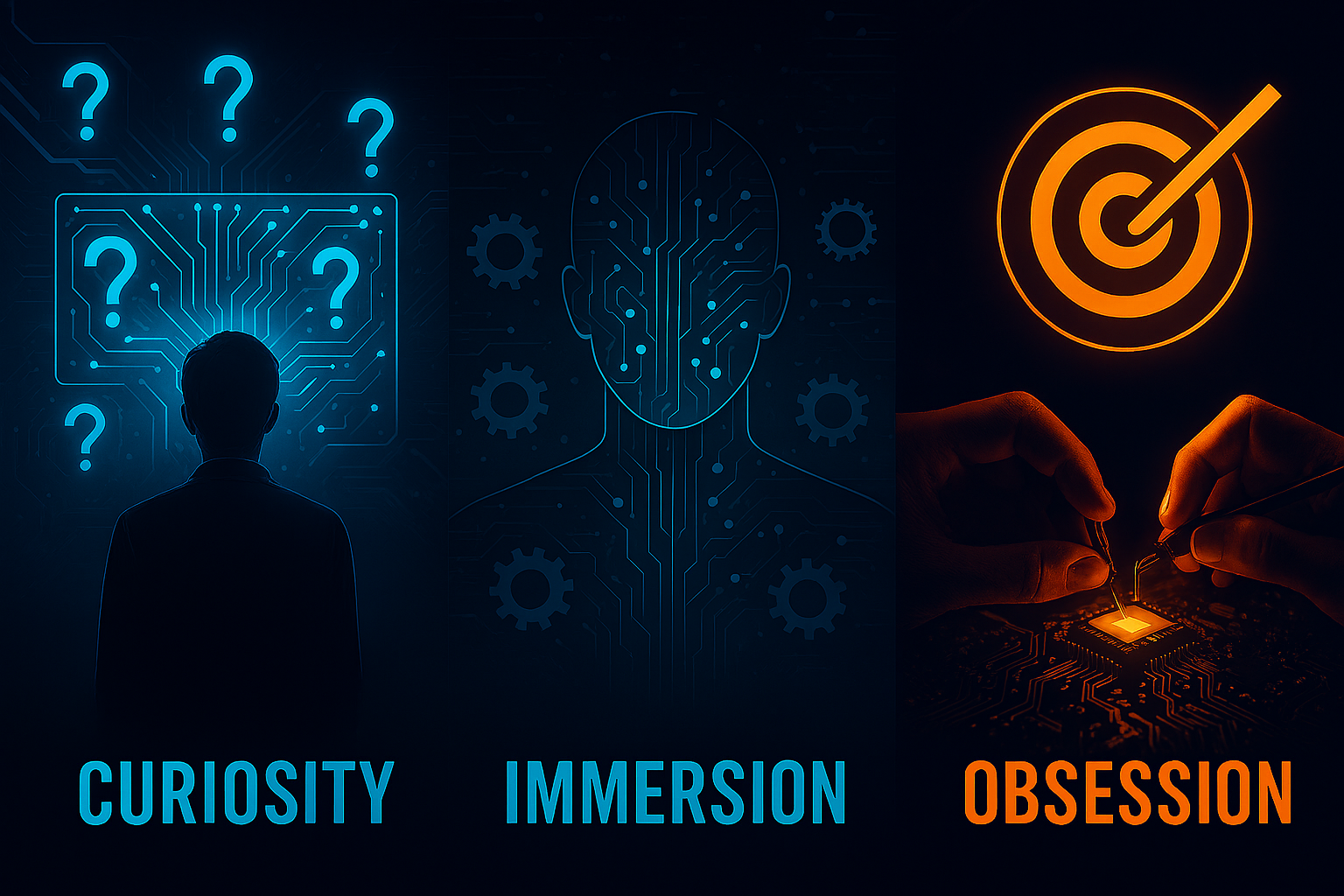
Disruption begins with curiosity. Teams that thrive are those who constantly ask, “What can AI do with this problem?” Whether it’s a technical challenge or a simple everyday task, curiosity fuels experimentation and learning. This mindset, when nurtured, evolves into a healthy obsession – a drive to seek out every opportunity for improvement and innovation.
But obsession must be balanced. There’s a risk in using AI as a crutch, blindly accepting outputs without critical evaluation. Responsible engineering means treating AI as one tool among many, leveraging its strengths while maintaining oversight and learning from its results. The goal is mastery and knowing when and how to use AI to help solve problems and focus on the work that truly matters. The next logical step is to channel curiosity into practical changes, starting with how developers get things done.
Engineering for disruption
With change as the catalyst, the evolution of developer workflows is underway. Generative AI is now the fuel that powers new ways of building software, but human judgment remains essential. Introducing “human in the loop” processes ensures that feedback and oversight are present at every stage, whether working closely with agentic tools or reviewing outputs from cloud-based agents.
One area of focus has been the automation of boilerplate code. By redefining what constitutes boilerplate, starting with CRUD APIs, teams have been able to automate repetitive tasks with confidence and consistency. This shift allows engineers to work “top of license,” dedicating energy to solving complex problems rather than routine chores. As we automate the basics, our attention can shift to what really matters: giving AI the right context to succeed in solving the problems we want to solve. And that’s when prompt engineering stops being enough, and we shift into the practice of context engineering. Success with AI depends not just on the questions asked, but on the richness of the context provided. Instruction sets, domain knowledge, and well-structured data repositories are becoming the backbone of effective AI integration. The more context an agent receives, the more reliably it can deliver consistent, high-quality results.
Teams are experimenting with custom chat modes, instruction files, and component-based architectures, much like configurable “Lego blocks” that abstract complexity and enable rapid iteration. Collaboration across engineering, solution management, and UX is vital, helping to ensure that solutions are built right and built for the right reasons.
Beyond code: Disrupting the entire lifecycle
But context is just the beginning. AI’s influence stretches across every phase of software development. The entire software development lifecycle is ready for disruption, from requirements gathering to release notes automation. Technical writers, solution managers, and engineers are partnering to help streamline processes, eliminate toil, and accelerate throughput. The result is not just faster delivery, but the acquisition of new skills—critical thinking, domain expertise, and solution ownership.
The call to action
The possibilities are exciting, but progress depends on our willingness to collaborate and push boundaries. Disruption is not a passive process. Teams must move from order-taking to ownership, partnering closely to break down requirements, refine instruction sets, and orchestrate agentic workflows. The end goal is working software that solves real business problems, not just well-written requirements or functional specifications.
This is how the journey starts with curiosity and leads to healthy obsession. Those who embrace this mindset will not only keep pace with AI’s rapid progression but will shape the future of engineering itself.
